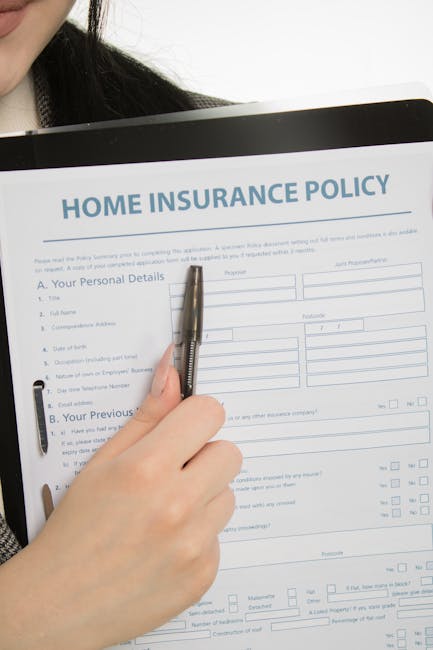
Licensing and insurance for Hammersmith removal companies

If you are comparing movers in West London, the small print matters more than people think. Licensing and insurance for Hammersmith removal companies can look like background admin, but in real life it is what protects your belongings, your building, and your peace of mind on moving day. One missing document, one vague answer, and the whole job starts to feel a bit shaky.
This guide breaks the topic down in plain English. You will learn what licensing and insurance usually mean in the removals trade, why they matter locally in Hammersmith, what to ask before you book, and how to spot the difference between a proper operator and one that is merely cheap. Let's face it, moving is stressful enough without wondering who pays if a stair banister gets scuffed or a sofa goes missing.
Along the way, we will also look at practical service choices, from home moves and house removalists to commercial moves, so you can match the right level of cover to the right kind of job.
Key takeaway: a credible removal company should be able to explain its insurance clearly, show sensible proof on request, and make you feel comfortable before a single box is lifted.
To be fair, most good companies do this every day. The issue is that customers do not always know what "good" looks like. That is where this article helps.
- Why licensing and insurance matter
- How removals licensing and insurance work
- The real benefits for customers
- Who should pay attention
- How to check a mover properly
- Expert tips that save hassle
- Mistakes people make all the time
- Useful tools, documents, and service pages
- Compliance and best practice in the UK
- Insurance and service options compared
- Real-world example
- Moving-day checklist
- Frequently asked questions
Why Licensing and insurance for Hammersmith removal companies Matters
Removing a household or office is not just about muscle and a van. It involves lifting, loading, driving in busy streets, navigating narrow hallways, dealing with parking restrictions, and sometimes carrying items through shared buildings with tired neighbours watching from the landing. Things can go wrong even when everyone is careful.
That is why licensing and insurance are not box-ticking extras. They are part of how a serious mover manages risk. If a company has proper insurance, you are not left arguing over a damaged dining table or a cracked monitor. If it is licensed or operating lawfully for the kind of work it does, you also have a better chance of dealing with a business that understands transport obligations, safety responsibilities, and customer care.
In Hammersmith, that matters because moving conditions can be awkward: busy roads, controlled parking, flats with tight turns, and office buildings with strict access windows. A professional removal company needs to be ready for that reality, not just for a nice easy driveway move on a sunny morning. Sometimes you only realise this when the lift is out, the rain starts, and the clock is ticking. Funny how moving day always seems to find the awkward weather.
For households, the reassurance is obvious. For businesses, the stakes can be higher because downtime costs money. That is where services such as office relocation services and commercial removals need a more disciplined approach to insurance, access planning, and liability management.
What this really protects:
- Your furniture, electronics, and boxes in transit
- The property you are leaving and the property you are moving into
- Common areas such as lifts, stairwells, and lobbies
- People involved in the move, including staff and movers
- Your time, because proper cover usually means fewer awkward disputes later
Without that protection, a small accident can turn into a very expensive conversation. And nobody wants that conversation at 7:30 in the morning, with packed mugs still on the counter.
How Licensing and insurance for Hammersmith removal companies Works
Let's split the topic into two parts, because people often blur them together.
1) Licensing
In removals, "licensing" can mean different things depending on the service being provided. It may refer to business and transport permissions, the legality of operating vehicles, waste handling rules where relevant, or general compliance with local and national requirements. A mover does not need to be mysterious about this. They should be able to explain what type of work they do, what vehicles they use, and whether any specialist permissions apply.
For example, a straightforward man and van job might simply require a properly run transport business with insured vehicles and a lawful operating setup. Larger or more complex work, such as a long-distance relocation or a commercial move, may involve more planning, more paperwork, and stricter internal controls.
2) Insurance
Insurance is the part most customers care about first, and quite rightly. A reputable mover will usually carry cover that may include:
- Goods in transit insurance for items being moved
- Public liability insurance for accidental damage or injury involving third parties
- Employers' liability insurance where staff are employed, as required in many business setups
- Vehicle insurance appropriate for the vans or trucks being used
Some firms also offer optional extra protection for high-value items, fragile belongings, or specialist packing. That can be useful if you are moving artwork, delicate audio equipment, or a home office setup that cost more than you want to admit.
The practical point is simple: do not assume "insured" means "insured for everything". Ask what the policy actually covers, what exclusions apply, and whether there are special conditions for packed-by-owner items. A box packed badly by a customer is often treated differently from a box packed by trained staff. Fair enough, really.
What proof should you expect?
You do not need a legal lecture. You need clarity. A trustworthy company should be able to provide a straightforward explanation and, where appropriate, evidence of cover or policy details. If they become defensive or vague, that is a red flag. Not always a disaster, but a red flag all the same.
Many customers booking man with van services assume it is a casual job. Sometimes it is. But even a small move can go wrong if a driver reverses into a gatepost or a chest of drawers shifts during braking. Insurance is there for those annoying, ordinary accidents, not just the dramatic ones.
Key Benefits and Practical Advantages
The obvious benefit is protection. The less obvious benefit is confidence. When you know a mover has the right setup, everything feels calmer. You ask better questions, you plan better, and you are less likely to panic if something unexpected happens on the day.
- Lower financial risk: damage or loss is less likely to become your full responsibility.
- Better service discipline: companies that manage insurance properly often manage everything else properly too.
- More transparent pricing: proper operators are less likely to hide behind vague promises.
- Stronger problem resolution: if there is an issue, there is a framework for handling it.
- More confidence for landlords and building managers: especially useful in shared buildings and office moves.
There is also a very practical side to all this. If you are organising a move in stages, maybe some furniture first and then the rest later, knowing the company is insured helps you use them for more than one job without second-guessing every handoff. Services such as furniture pick-up and removal truck hire are a lot easier to trust when the business can explain what happens if something is scratched, dropped, or delayed.
Practical advantage in one line: insurance gives you a fallback, but good licensing and good procedures reduce the chance you need the fallback in the first place.
Who This Is For and When It Makes Sense
Pretty much anyone hiring movers should care about this, but the level of attention changes depending on the job.
Homeowners and tenants
If you are moving from a flat, maisonette, or terraced house in Hammersmith, you need to think about stairwells, communal entrances, neighbouring properties, and the likelihood of tight access. Insurance becomes especially relevant where shared spaces are involved. A chipped wall in a hallway can become a needless headache if nobody is covered properly.
This is where a dedicated service like home moves or experienced house removalists can be worth more than a cheap one-van offer, because the company should already understand domestic risk and property care.
Businesses and office managers
Commercial relocations bring extra layers of risk: IT equipment, confidential files, stock, branded furniture, time-sensitive delivery windows, and the need to keep operations going. You may also have building management rules to satisfy. If a mover is insured but not organised, that is still a problem.
For businesses, insurance should be checked alongside packing processes, timing, and building access. A move that happens before the first working day of the week can save disruption. A move that happens with poor planning can create a mess that lingers well into Tuesday. Nobody wants to start the week with a missing monitor cable and a spinning IT support ticket.
People using smaller or same-day services
Customers often assume man and van or same-day transport is lower risk because the job is smaller. Sometimes the opposite is true. Smaller jobs can be less formal, and less formal sometimes means less clarity. So even if you are only moving a few items, ask about insurance and what the company will do if something is damaged.
Anyone with valuable, fragile, or awkward items
Musical instruments, mirrors, glass tables, bikes, screen equipment, antique pieces, and large wardrobes all deserve special attention. If the mover also offers packing and unpacking services, ask whether that changes the cover in practice. It often does, because professionally packed items are easier to assess than self-packed ones.
Step-by-Step Guidance
If you want a practical way to check a removals company, use this sequence. It keeps the conversation focused and stops you getting lost in sales talk.
- Ask what kind of move they handle. Domestic, office, furniture-only, single-item, long-distance, or storage-linked work all carry different risks.
- Request a clear insurance explanation. Do not settle for "yes, we're covered". Ask what is covered, under what conditions, and whether there are exclusions.
- Check vehicle suitability. If the company offers a larger moving truck, ask whether it fits your access, parking, and loading requirements.
- Review packing responsibility. Clarify whether the company packs the items, whether you pack them, and how claims are treated in each case.
- Confirm access details. Stairs, lifts, loading bays, and parking arrangements should all be discussed upfront.
- Ask about building protection. Floor runners, blankets, straps, and corner guards can reduce damage before insurance ever comes into play.
- Get the terms in writing. This is not about being awkward. It is about avoiding memory games later.
- Match the service to the job size. A small flat move may suit a van service. A bigger family relocation may need a full team and truck.
If you are unsure where your move sits, it may help to speak to a company about the exact details rather than guessing. That applies especially to a mixed move where you are shifting home contents, a few business items, and perhaps a piece of furniture collected from elsewhere. In real life, moves are rarely neat little boxes. They are usually a bit more human than that.
A good rule: if the answer sounds rushed, assume the planning will be rushed too.
Expert Tips for Better Results
After years of watching moves go smoothly, and a few that didn't go quite as smoothly, a few habits stand out.
- Photograph your valuable items before the move. It takes minutes and can help if there is a dispute later.
- Keep a simple inventory. Even a rough list is better than relying on memory.
- Separate irreplaceable items. Passports, jewellery, important files, and medicines should stay with you.
- Use proper packing for breakables. Insurance helps, but prevention is better than claims forms.
- Tell the mover about awkward access early. Narrow stairs and parking restrictions change how a job should be handled.
- Check whether items are packed by you or by the crew. That distinction matters more than people realise.
One small, very practical observation: the cleanest moves often happen when the customer and the mover agree the basics in advance. Not every detail, just the basics. Who is doing what, where the van can stop, what is fragile, and what happens if the lift is out. Simple. Almost boring. Which is exactly how you want a move to feel.
If your move involves a larger load, consider how the company schedules and loads the vehicle. A poor loading plan can increase the chance of damage even when the insurance is perfectly decent. That is why a transport-focused service such as removal truck hire can be useful for bigger, more structured jobs.
Common Mistakes to Avoid
People often make the same handful of mistakes, and they are easy to avoid once you know them.
- Choosing only on price. A cheap quote can become expensive if it comes with weak cover or poor handling.
- Assuming all insurance is equal. It is not. Limits, exclusions, and conditions vary.
- Not asking about packed-by-owner items. Self-packed boxes can be treated differently in claims.
- Forgetting about third-party risk. Damage to hallways, lifts, or neighbouring property matters too.
- Ignoring the terms and conditions. Nobody loves reading them, but they can save a lot of grief.
- Failing to declare unusually heavy or delicate items. Surprises on the day are rarely the good kind.
There is also a quieter mistake: assuming a nice website means everything is sorted. A polished site is fine, of course, but the real test is whether the company can explain its insurance, process, and responsibility in plain language. A proper operator should not mind those questions. In fact, they should welcome them.
Tools, Resources and Recommendations
You do not need fancy tools to make a better decision, just a sensible routine and the right questions. Still, a few practical resources within the move process can help:
- Written quote or estimate: useful for comparing scope, not just price.
- Inventory list: even a short one helps with accountability.
- Item photos: especially for high-value or fragile belongings.
- Building instructions: access times, lift rules, loading restrictions, and entry codes.
- Company terms: useful for understanding exclusions and responsibilities.
For a trusted first conversation about service scope, it can help to review the company's about us page and then make contact with specific questions. If you are checking policies or terms, the site's privacy policy and terms and conditions are also worth reading carefully. No one reads those for fun, obviously, but they do tell you how a company thinks about data, responsibility, and customer expectations.
And if your move is really about one or two bulky items rather than a whole property, the most practical option may be a smaller transport solution instead of a full-scale removals team. That is where a service like furniture pick-up can be useful. It is all about matching the tool to the task.
Law, Compliance, Standards, or Best Practice
This is the bit where careful wording matters. The exact legal and licensing position can vary depending on the nature of the business, the vehicles used, the services offered, and whether the move involves waste disposal, storage, or specialist transport. So it is wise not to make sweeping assumptions.
That said, a responsible removal company in the UK should generally show the following habits:
- Operate vehicles properly insured for the work they carry out
- Keep public liability cover in place for customer-facing activity
- Hold employers' liability insurance where staff are employed and the law requires it
- Use sensible loading, lifting, and securing practices
- Respect access, parking, and building rules
- Explain limitations in their cover honestly
Best practice also means being transparent about who carries risk at each stage of the job. For example, if you pack your own fragile items, that is one risk profile. If the crew packs them, that is another. If the move includes commercial equipment, the expected standard is usually higher because business interruption can be more costly than a chipped side table. It sounds obvious, but people overlook it all the time.
One more point worth saying plainly: if a company cannot explain its insurance and operational setup in a steady, normal conversation, you probably do not want to be discovering the gaps when the van is already outside.
Options, Methods, or Comparison Table
Here is a straightforward comparison of common move types and what you should focus on when checking licensing and insurance.
| Service type | Main risk points | What to ask before booking | Best fit |
|---|---|---|---|
| Man and van | Limited packing protection, small-team handling, loading damage | What is covered in transit? Are single items insured? Who loads the van? | Small flats, single items, local transport |
| Home move | Furniture damage, stairwells, fragile household goods | How are larger items protected? Is packing available? How are claims handled? | Households with several rooms of belongings |
| Commercial move | IT, documents, downtime, building access issues | Is business equipment covered? How is confidentiality handled? What is the schedule? | Offices, studios, shops, and trading businesses |
| Truck hire / larger transport | Vehicle suitability, loading, securing, route planning | What size vehicle is used? How is cargo secured? Is the driver experienced with removals? | Heavier or higher-volume jobs |
What stands out here is that "insurance" is not one single answer. It changes with the job. A studio relocation with boxes of laptops is a different beast from moving a sofa across town. Same van. Very different risk profile.
Case Study or Real-World Example
A small Hammersmith family was moving from a third-floor flat to a terraced house nearby. Nothing dramatic, just the usual mix of boxes, a bed frame, a dining table, and a very stubborn wardrobe that looked heavier than the people who owned it. They had originally planned to use the cheapest quote they found. Fair enough on paper.
But after asking about insurance, they realised the cheapest option was vague about damage cover and had little detail about responsibility for items packed by the customer. They changed course and chose a company that could clearly explain goods in transit cover, building protection, and how items would be handled through the stairwell.
On moving day, there was a small issue: a tight corner near the top landing made the wardrobe awkward to turn. The team used blankets, slowed right down, and got it through without damage. No drama. No shouting. Just a careful bit of work and a relieved sigh at the end. That is the sort of thing insurance supports, but good handling prevents.
Was it the cheapest move they could have booked? No. Was it the calmer one? Absolutely.
Practical Checklist
Use this before you confirm any removal company in Hammersmith.
- Have I been told exactly what insurance is included?
- Do I understand any exclusions or item limits?
- Has the company explained whether packed-by-owner items are covered?
- Do I know who is responsible for loading, unloading, and access protection?
- Have I checked whether the service fits the size of my move?
- Do I have a written quote or written confirmation of the scope?
- Have I shared any tricky access details, parking issues, or fragile items?
- Have I read the company's terms and conditions?
- Do I feel comfortable with the way the company answered my questions?
- Have I kept a short inventory or photos of important items?
Quick self-check: if you answered "not sure" to more than one of those, pause and ask again before you book. Better a five-minute delay now than a five-day headache later.
Conclusion
Licensing and insurance for Hammersmith removal companies are not just formalities. They are the structure behind a move that feels safe, organised, and fair. When a mover can explain its cover clearly, show professional habits, and match the service to the job, you are in much better shape.
In practice, the best choice is rarely the loudest or the cheapest. It is the company that answers your questions without fuss, respects the reality of London moving, and makes the whole thing feel manageable. That kind of steadiness matters, especially when you are standing in a hallway surrounded by boxes and wondering where the kettle has gone.
If you are comparing options now, take the next step with confidence and focus on clarity, not guesswork. The right mover should make you feel informed before anything else.
Get a free quote today and see how much you can save.
Frequently Asked Questions
What insurance should a Hammersmith removal company have?
A reputable removal company should usually have goods in transit cover, public liability insurance, vehicle insurance, and employers' liability insurance where required. The exact mix depends on the size and type of work they do.
Is insurance included in a typical man and van service?
Often yes, but not always in the same way or to the same level. A small service like a man and van job may have more limited cover than a full removals package, so ask what is actually included.
Does packing my own boxes affect insurance?
It can. Many movers treat customer-packed boxes differently from professionally packed items. Fragile goods, poorly sealed boxes, or badly wrapped items may weaken a claim if damage occurs.
Why does licensing matter if the mover already has insurance?
Because insurance alone does not guarantee a professional operation. Licensing, transport compliance, and good business practices help show the company is set up properly, not just covered on paper.
What should I ask before booking a removal company?
Ask what the insurance covers, what exclusions apply, how claims are handled, whether large or fragile items need special care, and whether the quote includes loading, unloading, and building protection.
Is a cheap removal quote a bad sign?
Not automatically, but it deserves scrutiny. A low price may be perfectly fine, or it may mean weaker cover, fewer staff, less planning, or rushed handling. Cheap can be fine. Vague is not.
Do office moves need different insurance from home moves?
Often they do, because office relocations can involve IT, stock, confidential files, and downtime. A business move may need a more detailed discussion than a standard domestic move.
What happens if a mover damages my property?
If the company is insured and the damage falls within cover, there should be a claims process. The quality of that process depends on the company's terms and how clearly the move was agreed in advance.
Should I read the terms and conditions before booking?
Yes. It may not be thrilling reading, but the terms often explain liability, exclusions, packing responsibility, timing, cancellations, and claim rules. That information is worth its weight in cardboard.
How do I know if a mover is trustworthy?
Trustworthy movers answer questions directly, explain their insurance without hesitation, give you clear written details, and do not pressure you into booking immediately. That calm, practical tone usually tells you a lot.
Are furniture collection and small item jobs insured the same way as full moves?
Not always. A smaller job such as furniture pick-up may be covered differently from a full-house move, so confirm the scope before the vehicle arrives.
What is the best next step if I am still unsure?
Compare a couple of written quotes, ask the same insurance questions to each provider, and choose the one that answers most clearly. If the company also offers related services like packing and unpacking services, ask how those affect liability too. Clear beats clever, every time.