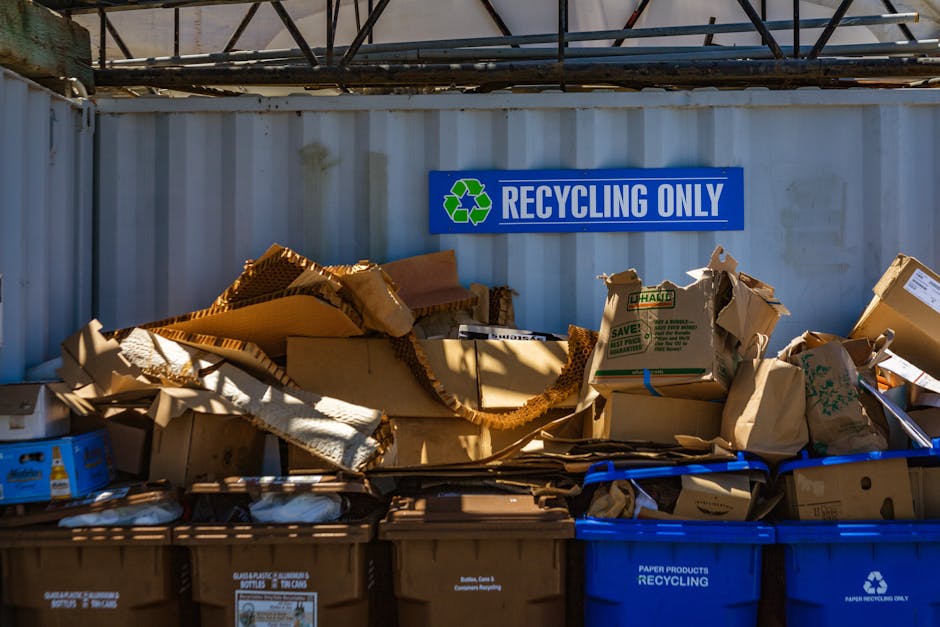
Eco-friendly disposal for Hammersmith removals: recycling tips
Moving home or office in Hammersmith can feel like a small demolition project before the new beginning even starts. Boxes stack up, old furniture suddenly looks bigger than you remembered, and there is always that awkward pile of things you no longer want but cannot simply leave behind. That is where eco-friendly disposal for Hammersmith removals: recycling tips becomes genuinely useful. Done well, it helps you cut waste, keep moving day calm, and send fewer usable items to landfill. Done badly, it becomes a last-minute scramble, a few regretful bins, and a lot of unnecessary stress.
This guide breaks the process into practical steps: what to recycle, what to reuse, what to donate, and what to dispose of carefully. You will also find a simple checklist, a comparison table, a real-world example, and a few small local-minded pointers to make the whole thing easier. Truth be told, a tidy move often starts with a ruthless sort-out. Not glamorous, but very effective.
If you are planning a move and want help with the practical side, services such as home moves support, house removalists, or a flexible man and van option can make it easier to move items safely while you separate recycling and reuse from true waste.
Table of Contents
- Why eco-friendly disposal matters during removals
- How eco-friendly disposal works
- Key benefits and practical advantages
- Who this is for and when it makes sense
- Step-by-step guidance
- Expert tips for better results
- Common mistakes to avoid
- Tools, resources and recommendations
- Law, compliance, standards, or best practice
- Options, methods, or comparison table
- Case study or real-world example
- Practical checklist
- Conclusion
- Frequently asked questions
Why Eco-friendly disposal for Hammersmith removals: recycling tips Matters
Moving creates waste fast. Old shelves, broken lamps, worn-out bedding, empty paint tins, cables, cardboard, packaging foam, and those mysterious kitchen bits you have not used in years all tend to surface at once. Without a plan, a lot of this ends up mixed together, which makes reuse and recycling harder. And once materials are mixed, recovery becomes more expensive and less effective.
Eco-friendly disposal is not just about being "green" in a vague, feel-good way. It is about making better decisions with items that still have value, items that can be repaired, and items that need a special route because they are hazardous or bulky. In a busy area like Hammersmith, where access can be tight and timing matters, a smart disposal plan also saves time on moving day. Less clutter means fewer trips, less lifting, and fewer "where did we put that?" moments. We have all had one of those.
There is also a practical local angle. In London, collection arrangements and recycling acceptance can vary by item and by service. That means the safest approach is to sort properly before the move, rather than hoping everything can be handled in one go. A little attention at the start makes the end of the move feel calmer. Much calmer.
Expert summary: The most effective eco-friendly disposal plan is usually the simplest one: keep reusable items separate, recycle clean materials properly, and arrange responsible handling for anything bulky, electrical, or hazardous.
How Eco-friendly disposal for Hammersmith removals: recycling tips Works
The process works best when you treat disposal as a decision tree, not a bin. Ask three questions about every item: can it be reused, can it be recycled, or does it need specialist disposal? That order matters. Reuse always beats recycling, and recycling usually beats general rubbish disposal, because it keeps more material in circulation.
1. Sort before you pack
Start in each room and create four clear groups:
- Keep - items going to the new property.
- Reuse or donate - things in good condition that another person could use.
- Recycle - clean materials that can enter the recycling stream.
- Dispose carefully - broken, contaminated, or regulated items.
This first sort is the quiet hero of the whole move. It prevents you from packing unnecessary clutter and then paying to carry it twice.
2. Clean and separate materials
Cardboard, paper, metal, some plastics, glass, textiles, and certain electrical items are usually easier to recycle when they are separated and clean. A greasy pizza box is not the same as a shipping carton. It sounds obvious, but in moving chaos the obvious gets missed. Clean down what you can and flatten boxes before stacking them.
3. Handle bulky items properly
Large furniture often needs more than a standard bin solution. Some pieces can be dismantled for recycling, while others may be suitable for furniture pick up if they are still usable. If you are replacing a bed, wardrobe, or sofa, separating wood, metal, and fabric components can improve recovery. Sometimes it is worth taking a screwdriver to a flat-pack cupboard before the movers arrive. Slightly annoying? Yes. Worth it? Often, absolutely.
4. Move usable items into a second-life route
Reusable goods should be redirected before the last-minute tip run. That might mean donation, resale, or a collection service. For office moves, this often includes desks, chairs, storage units, or technology accessories. If you need help moving these items out efficiently, a service like commercial moves or office relocation services can fit neatly into a greener disposal plan.
5. Separate special waste
Batteries, light bulbs, paint, chemicals, printer cartridges, fridges, and electrical items need careful handling. Do not put them in with mixed household waste just because they are inconvenient. Set them aside early. It saves time later and reduces the risk of contamination.
Key Benefits and Practical Advantages
Eco-friendly disposal is one of those tasks that pays back in more than one way. Yes, it is better for the environment. But it is also better for your move, your budget, and your sanity. Let us be honest, that last one matters too.
- Less waste to carry: If you declutter properly before moving, you transport fewer items and simplify packing.
- Better use of space: Removing unwanted things creates more room in boxes, vans, and storage units.
- Lower risk of damage: A well-sorted load is easier to handle and less likely to shift in transit.
- More value from old items: Furniture, appliances, and household goods can often be reused or collected instead of binned.
- Cleaner handover: Leaving a property tidy is especially helpful if you are moving out of a flat, shared house, or office.
- Less stress on moving day: Fewer decisions at the last minute. Fewer surprises. Fewer annoying little piles appearing in the hallway.
There is also a financial logic here. Moving fewer items can reduce the need for a larger vehicle or extra labour. If you are comparing options, services such as moving truck support or removal truck hire become easier to plan when you have already trimmed the load. That is just common sense, really.
Who This Is For and When It Makes Sense
This approach suits more people than you might think. It is not only for households that are serious about sustainability. It helps anyone who wants a smoother, less cluttered move.
Home movers
If you are leaving a flat, terraced house, or larger family home, eco-friendly disposal keeps unwanted items from becoming an afterthought. It is especially useful when children's items, old furniture, broken toys, and outgrown clothing have quietly multiplied over time. They do that, somehow.
Tenants preparing for end of tenancy
If you need the place left in good shape, sorting waste early helps prevent missed items behind cupboards or in loft spaces. It also makes it easier to deal with leftover furniture or packaging before inventory checks.
Families downsizing
When moving to a smaller home, you often need to make tough calls on what stays and what goes. Reuse and recycling give you a practical framework rather than a purely emotional one. That old sideboard might not fit the new dining room, but it could be perfect for someone else.
Office and commercial relocations
Workplaces often generate more disposal decisions than homes: filing cabinets, chairs, broken peripherals, packaging, surplus stationery, and old equipment. A tidy route through commercial moves or office relocation services helps businesses reduce waste without slowing operations.
Anyone handling a large clear-out
If the move includes a garage, loft, storage room, or years of accumulated bits and pieces, the eco-friendly route gives you a manageable way to decide what belongs where. It makes the whole process feel less random.
Step-by-Step Guidance
Here is a straightforward way to manage disposal before a Hammersmith move without turning it into a full-time job.
- Start room by room. Do not try to declutter the entire property in one dramatic evening unless you enjoy chaos.
- Remove obvious rubbish first. Broken packaging, expired items, damaged liners, and empty containers should go early.
- Identify reusable belongings. Good-quality chairs, tables, small appliances, mirrors, books, and decor may be suitable for donation or collection.
- Separate recyclables by material. Keep cardboard together, metals together, textiles together, and electricals apart from general waste.
- Strip items down where practical. Remove drawers, legs, and detachable parts so furniture is easier to move or dismantle.
- Check for special handling needs. Batteries, paint, cleaning chemicals, and electronics should not be mixed with normal recycling.
- Use the move as a hard deadline. Set a clear cut-off date. Otherwise the "sort later" pile just grows. It always does.
- Arrange collection or transport. A service like man with van support can be useful for moving separate loads of reusable or recyclable items without stuffing them into your main move.
- Do a final sweep. Open cupboards, check behind radiators, and look inside drawers. You would be surprised what hides there.
A useful habit is to keep one box labelled "uncertain" for things you cannot decide on immediately. Review it once all the obvious waste is gone. The box should be small. If it is huge, that is not a mystery box anymore, it is procrastination in cardboard form.
Expert Tips for Better Results
These are the details that tend to make the biggest difference in practice.
Keep recyclables clean and dry
Wet cardboard, food-covered packaging, and mixed rubbish can reduce the recyclability of an entire bag. If possible, store clean cardboard separately from the rest of your move materials. A dry stack in the corner of a room is better than a soggy pile in the hallway. Simple, but important.
Dismantle before the moving team arrives
If a wardrobe or bed frame can be safely taken apart in advance, you will usually make collection and sorting easier. Screws, brackets, and rails can be grouped in small labelled bags. That small effort prevents a lot of awkward lifting later.
Use the "reuse first" rule
If an item still works and is safe to use, give reuse priority over disposal. This applies to furniture, lamps, kitchenware, storage baskets, and even some office fittings. A slightly scratched table can still have years of life left.
Plan for timing around the move
Do not leave all disposal for the final day. You want the property to be visibly lighter before vans start arriving. If your schedule is tight, book a collection or vehicle option early. Services such as man and van are often a practical middle ground when you need flexibility.
Think in materials, not just in objects
One chair might contain wood, metal, foam, and fabric. A computer setup may contain plastic, metal, glass, and electronic components. Sorting by material gives you a better sense of what can be diverted from general waste. It also makes it easier to explain to helpers or movers what should go where.
Keep one small toolkit handy
A screwdriver, tape, labels, marker pen, gloves, and a strong pair of scissors are enough for most household or small-office clear-outs. No need for a professional workshop. Just the basic bits, within easy reach.
Common Mistakes to Avoid
People usually do not get eco-friendly disposal wrong because they do not care. They get it wrong because moving is hectic and judgement slips when you are tired. Fair enough. Still, a few mistakes come up again and again.
- Mixing everything together: Once recyclable material is contaminated, it is harder to recover.
- Leaving sorting until moving day: This is how reusable items get shoved into the wrong pile.
- Forgetting small items: Chargers, cables, batteries, and light bulbs are easy to miss but add up quickly.
- Assuming all furniture is recyclable as-is: Some items need dismantling or separate material sorting first.
- Ignoring electrical and hazardous items: These need care, not convenience.
- Overpacking the vehicle with junk: It wastes space and makes the move less efficient.
- Not checking what is actually usable: A furniture item that looks tired may still be acceptable for reuse once cleaned.
There is a small but useful mindset shift here: treat disposal like part of the move plan, not a side job. Once you do that, the rest gets easier. Really, it does.
Tools, Resources and Recommendations
You do not need fancy equipment to manage eco-friendly disposal well. A few simple tools and sensible choices make a big difference.
- Sturdy sorting boxes: Useful for separating recycling, donations, and items to keep.
- Labels and marker pens: Essential if more than one person is helping.
- Bin bags for true waste: Keep these separate from recyclable cardboard and reusable items.
- Zip bags or envelopes for small parts: Good for screws, plugs, and fittings.
- Cleaning cloths: Handy for wiping items before reuse or recycling.
- Gloves: Useful when clearing lofts, garages, or storage spaces.
For larger or awkward items, it can help to arrange a separate collection route rather than trying to fold it into the entire move. If you need an item moved out of the property safely, furniture pick up can be a helpful option for bulky pieces that are still in decent condition. For property owners or landlords, a coordinated move may also run more smoothly with home moves support or tailored packing and unpacking services when time is tight.
If you want to understand the company background before booking anything, it is sensible to read the about us page. And if you are sorting out details, terms, timing, or data handling, the relevant policy pages are there too. No drama, just useful housekeeping.
Law, Compliance, Standards, or Best Practice
Eco-friendly disposal is also about doing things properly. In the UK, the key principle is simple: waste should be managed responsibly, and special items should be handled through appropriate channels. You do not need to become a regulations expert overnight, but it is wise to be careful with anything that could cause contamination, injury, or improper disposal.
Best practice usually means:
- keeping waste streams separate where possible
- not mixing recyclables with contaminated rubbish
- handling electrical items and batteries separately
- treating paint, chemicals, and similar materials as special waste
- using a responsible disposal route for furniture and bulky items
If you are moving from a rented property or clearing a workplace, it is also sensible to leave the premises in a condition that does not create avoidable waste issues for the next occupier. That often includes clearing out cupboards, lofts, shared areas, and behind large furniture. A bit tedious, yes. But it avoids complaints and the last-minute panic that nobody enjoys.
For business customers, compliance often matters in a broader sense too: reducing unnecessary waste, avoiding unsafe storage of leftover items, and keeping clear records internally of what was removed, reused, or recycled. You do not need to overcomplicate it. Just be organised and cautious.
Options, Methods, or Comparison Table
Different items call for different disposal routes. The right method depends on condition, material, and how quickly you need the item gone.
| Option | Best for | Advantages | Limitations |
|---|---|---|---|
| Reuse or donation | Good-condition furniture, decor, household goods, office items | Keeps items in use, reduces waste, often quickest if the item is desirable | Items must be clean, safe, and suitable for someone else |
| Recycling | Cardboard, metals, some plastics, textiles, clean small household materials | Diverts material from landfill, supports resource recovery | Needs sorting, cleaning, and correct handling |
| Specialist disposal | Batteries, electricals, paint, chemicals, damaged appliances | Safer and more appropriate for regulated items | May require separate planning and transport |
| Collection or van service | Bulky or awkward items, mixed loads, move-day clear-outs | Saves time, handles heavy lifting, suits larger clearances | Still needs good sorting to stay eco-friendly |
The main decision is not really "which option is best?" It is "which option is best for this specific item?" That small shift improves the whole process.
Case Study or Real-World Example
Here is a very typical moving scenario. A couple in Hammersmith were moving from a two-bedroom flat to a smaller place nearby. By the time they started sorting, they had a bed frame, a worn desk, six boxes of books, a stack of flat-pack packaging, old kitchenware, and two lamps that were no longer needed. None of it was dramatic on its own. Together, it was a lot.
They began with the easiest wins: flattened cardboard, separated paper, bagged small recyclable plastics, and checked which books could be passed on. The desk was still structurally sound, so it was kept out of the waste pile. The bed frame needed dismantling, but once broken down it became much easier to move and sort. The broken lamp and old cables were set aside for proper disposal rather than thrown in with general rubbish.
By the time moving day arrived, the flat looked noticeably clearer. The movers were able to work faster, the van carried fewer unwanted items, and the couple did not have to make snap decisions while standing in a hallway full of boxes. Nothing magical happened. It was just a better plan. Which, honestly, is the whole point.
Practical Checklist
Use this checklist a few days before the move, then give it one final glance the night before.
- Sort items into keep, reuse, recycle, and dispose carefully.
- Set aside all batteries, bulbs, cables, and electricals.
- Flatten cardboard and keep it dry.
- Clean reusable items before donation or collection.
- Dismantle bulky furniture where safe to do so.
- Label boxes of mixed small parts clearly.
- Confirm which items need special handling.
- Arrange transport for bulky reuse or disposal loads.
- Check cupboards, loft spaces, shed corners, and behind furniture.
- Keep your final waste load as small as possible.
If your move includes a vehicle hire component, choosing the right size matters. A sensible load plan can make moving truck support or removal truck hire much more efficient. Less cramming. Less stress. Better all round.
Conclusion
Eco-friendly disposal for a Hammersmith move is not complicated, but it does reward a bit of discipline. Sort early, separate materials properly, reuse what still has life in it, and treat anything hazardous or electrical with care. That one habit can make your move smoother, lighter, and far less wasteful. You will probably even feel better walking out of the old place knowing you have left it tidy rather than overloaded with "we'll deal with it later" clutter.
In practice, the best recycling tips are the simple ones: plan ahead, keep clean materials separate, and do not let useful items end up in the wrong pile just because time is tight. Moving is already busy enough. No one needs an extra headache from avoidable waste.
If you are preparing a house, flat, or office move and want help coordinating the practical side, explore the relevant services on the site and choose the route that fits your load, timing, and item mix.
Get a free quote today and see how much you can save.
And if you take only one thing from this guide, let it be this: a greener move is usually a calmer move. That is a nice trade-off, really.
Frequently Asked Questions
What is the best way to recycle during a house move in Hammersmith?
The best approach is to sort items before packing: keep reusable goods separate, flatten clean cardboard, group recyclable materials by type, and set aside anything hazardous or electrical for special handling. That simple structure keeps the move organised and reduces contamination.
Can I put old furniture out with the rest of my moving waste?
Not usually if you want an eco-friendly result. Furniture should first be assessed for reuse, donation, dismantling, or specialist collection. If it is still usable, a furniture pick up option may be more suitable than treating it as general waste.
What items should never go in general rubbish during removals?
Batteries, paint, chemicals, some electrical items, fridges, bulbs, and many forms of electronic waste should be handled separately. These items can contaminate other waste streams and may need special disposal arrangements.
How early should I start eco-friendly sorting before moving day?
Ideally, start at least a couple of weeks before the move if you can. That gives you time to identify reusable items, dismantle bulky furniture, and make decisions without rushing. If the move is sooner, even a few focused evenings help.
Is it better to recycle or donate items during a move?
If an item is still usable, donation or reuse is usually the better first option. Recycling is excellent for materials, but reuse keeps the item itself in circulation for longer. Recycling comes next when reuse is not realistic.
How do I deal with cardboard after unpacking?
Flatten it, remove tape where practical, keep it dry, and store it separately from food waste or mixed rubbish. Clean cardboard is far easier to recycle than a soggy pile tucked behind the sofa.
Can a removal service help with eco-friendly disposal?
Yes, especially when you are moving bulky items or separating reusable goods from waste. Services such as man and van or house removalists can support a more organised move, provided you have already sorted the load sensibly.
What should businesses do differently from households?
Businesses often need to manage larger volumes of furniture, paperwork, equipment, and packaging. The same principles apply, but the scale is bigger. A coordinated approach through commercial moves or office relocation services helps keep the process controlled.
How can I tell if something is reusable or just waste?
Ask whether it is clean, safe, and functional enough for another person to use without repair. If the answer is yes, try reuse first. If it is damaged, unsafe, or heavily worn, recycling or specialist disposal may be the better route.
Do I need to clean items before recycling or donating them?
Yes, whenever possible. Clean items are easier to handle and more likely to be accepted for reuse or recycling. A quick wipe-down can make a real difference, especially for kitchenware, small furniture, and storage items.
What is the most common mistake people make with eco-friendly disposal?
Leaving sorting until the last minute. That is when good intentions turn into mixed bags and rushed decisions. A small sorting system early on usually saves much more time later.
Where can I find more information about the company before booking?
You can review the about us page for background and check the relevant policy pages for practical details. If you still have questions after that, the contact page is there as well. Simple enough.